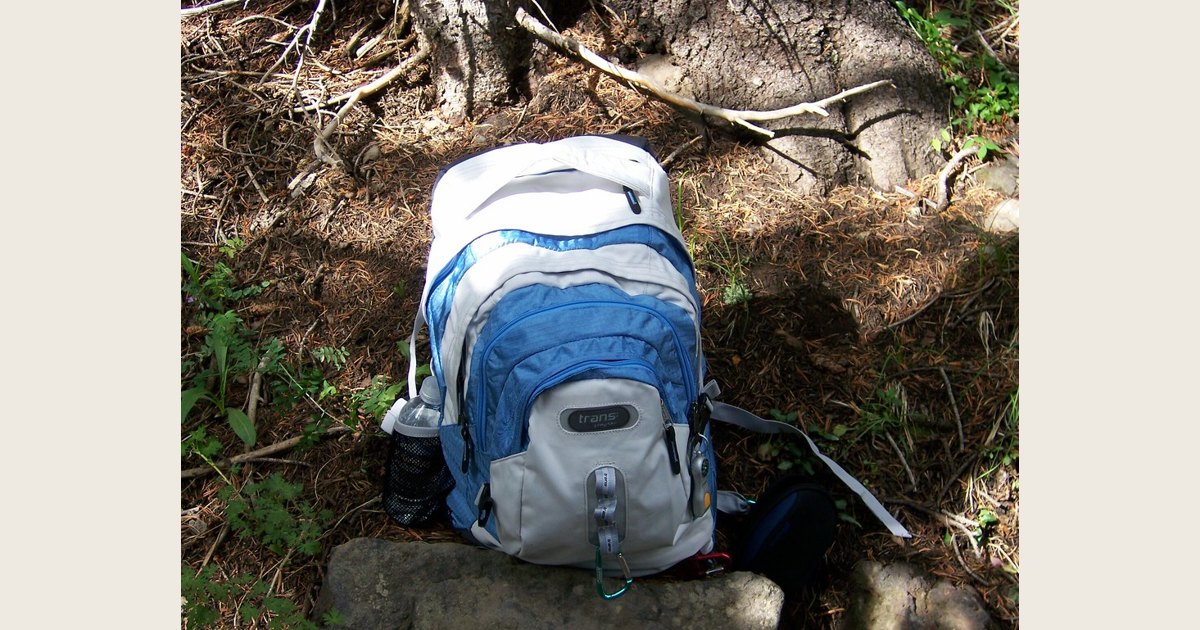
If you’re searching for a hiking backpack nearby, start with outdoor specialty shops, independent outfitters, and sporting-goods stores—but confirm the pack type and size are actually in stock before making the trip. The most useful store is one where you can compare suitable packs, try one with a realistic load, and understand the return terms before buying.
This guide explains how to find and vet local options without assuming your location or access to live store inventory. For the pack features and measurements to consider before shopping, see our guide to choosing a hiking backpack.
Cover photo credit: “hiking backpack” by andrew.petro on Flickr, licensed under CC BY 2.0. Resized and padded. Illustrative stock photo; no product testing is implied.
On this page
- Define the trip
- Choose a store type
- Find stores and confirm stock
- Try on a pack
- Compare return terms
- Troubleshoot your search
- Quick questions
- Next step
Key Takeaways
- Search for nearby outdoor retailers, then confirm the exact pack category, size, and store stock directly.
- Bring your trip list and try packs with a load that resembles what you expect to carry.
- Ask whether staff can help with fitting and whether an appointment or test weight is available.
Before you look for a hiking backpack nearby, define the trip
A short local search works better when you know what the pack needs to carry. Write down whether you’re shopping for day hikes, overnight trips, or longer outings; the usual essentials; and any fit or access needs that affect your choice. You don’t need to settle on a model first. You do need enough information to avoid comparing packs designed for different jobs.
The National Park Service advises hikers to consider how much equipment, food, and water they can comfortably carry and how long they’ll carry it. It also recommends a backpack with good support for overnight hikes (NPS, “Hike Smart”). Use your own planned trip—not an empty display pack—as the reference for a try-on. The NPS’s Ten Essentials guidance also notes that the items you need can depend on the activity and conditions.
Before searching, note a rough capacity range and any size or model you plan to try, if you know them. If you’re unsure, write down what you expect to carry and ask whether someone can help you compare options using the manufacturer’s fitting instructions.
For example, a hypothetical shopper planning day hikes might list water, food, a rain layer, and personal essentials; set a spending limit; and note that they do not yet know which torso or pack size feels right. That brief gives the store questions to answer without assuming a universal capacity: which options fit the intended load, what size can be tried, and whether staff can help with maker fit guidance. An overnight shopper would bring a different gear list and ask about packs suited to that load.
Which nearby store should you try first?
Choose a store based on what you need to verify, not just the name on the sign. These are useful starting points, not guarantees about a particular location’s inventory or services.
| Store type | When it may be useful | What to check first |
|---|---|---|
| Outdoor specialty retailer | Comparing packs intended for trail use, including different capacities and suspension styles | Whether your target pack size is in stock and whether staff can help with fitting |
| Independent outdoor outfitter | Getting a more focused conversation about local trips and gear | Which brands and sizes the shop carries; whether fitting help is available at your preferred time |
| Sporting-goods store | Checking convenient, general-purpose day-hiking options | Whether it stocks hiking packs, rather than only school or travel backpacks, in a size you can try |
| Consignment or secondhand shop | Looking for a used pack or another price point | Condition, included parts, final-sale terms, and any return window |
A shop’s services can vary by location and day. Treat “fitting available” as a question to ask, not a service to assume. If you have a specific pack in mind, check the store’s official listing, then contact that location to confirm details.
How to find stores and confirm stock before you go
Search a map app or web search for phrases such as “outdoor store hiking backpacks,” “hiking backpack fitting,” and “sporting goods backpacks” plus your town or ZIP code. Check the retailer’s store locator for locations and hours. Search results can help build a shortlist, but a listing or product page may not reflect what is on the sales floor today.
Call or message the store with a short, specific request. For example: “I’m looking for a hiking pack for [day hikes/overnights], around [capacity range], and need to try [size, if known]. Is anything suitable in stock at this location today?” Ask follow-up questions that matter to your visit:
- Can I try the pack with weight in it? If so, does the store provide test weights?
- Is someone available to help compare sizes or adjust the pack? Do I need an appointment?
- Can you hold the pack while I travel to the store, and for how long?
- What are the current return terms if the fit feels different at home?
Ask about the exact location, model, size, and color if those details matter; “the brand is available” doesn’t confirm that the version you need is there. If the store can’t verify stock or fitting help, call another option before driving. A little confirmation is more reliable than planning around a search snippet.
What to check when trying on a pack in person
Compare packs under a realistic load, not just by how an empty pack looks in a mirror. Ask whether the store can add test weight or bring a manageable sample of clean gear from your trip list. Avoid food, fuel, or anything that could leak or create a safety issue.
Ask an employee to show you the model’s adjustment range, then try at least one alternative size or style if it’s available. Walk around the store with the pack secured. Notice whether the hip belt and shoulder straps feel comfortable and stable, and whether anything rubs, pinches, shifts, or restricts your movement. These are comparison prompts—not technical fitting instructions. Pack designs and adjustment sequences differ, so use that model’s manufacturer instructions or ask trained store staff to guide the fit before relying on a specific belt position or strap setting.
Try to compare each candidate with a similar load and the same clothing layers. Note the model, size, capacity, and adjustments that felt comfortable; if you leave to think it over, take a photo of the product tag or write down the details. A pack can feel different when adjusted or loaded differently, so don’t choose by color or empty-pack comfort alone.
For a more detailed fitting walkthrough, continue with our guide to adjusting and using a hiking backpack. If a store can’t provide a representative load or fitting assistance, you can still compare basic comfort—but treat that visit as an incomplete fit check and confirm the return terms before deciding.
Compare return terms before you pay
A nearby purchase is convenient only if you understand what happens when the pack doesn’t work out. Policies differ among sellers and may treat online orders, in-store purchases, used goods, and final-sale items differently. Before paying, check the current written policy for the return deadline, proof-of-purchase requirements, condition of the item, and whether tags or packaging must remain attached.
If you need to walk with the pack at home to judge comfort, ask whether that is allowed and whether outdoor use changes your options. Don’t rely on a general promise like “easy returns”; confirm the specific terms for the item and store. Keep the receipt and any written policy details until you’re sure the fit and capacity work for your intended trips.
For a used pack, inspect zippers, buckles, seams, straps, and any frame or suspension components, and ask whether the shop accepts returns on secondhand gear. A lower upfront price may not be worthwhile if a key part is damaged or the seller offers no practical way to resolve a fit problem. Don’t assume a manufacturer’s warranty transfers to a second owner; check the terms with the manufacturer if warranty coverage matters.
If the first store or pack doesn’t work
If the right size isn’t available, ask when it may arrive, whether another nearby location has it, or whether the store can order it for pickup. Confirm the return conditions for an ordered item before committing. You can also broaden the search to another retailer type rather than buying a poor fit just because it’s local.
If several packs feel wrong, ask staff to review the maker’s sizing and adjustment instructions with you, then try another size or model if available. If you feel numbness, persistent pressure, or painful rubbing during a brief try-on, stop and readjust or remove the pack rather than treating discomfort as something you must tolerate. A store visit is a comparison, not a reason to push through pain.
If you can’t test the pack under a realistic load in the store, decide whether you can accept that uncertainty. A clearly stated return option may make a home try-on possible; without one, wait until you can compare a better-fitting option or get appropriate fitting help. Our published guide to lightweight hiking backpack options can help you make a shortlist, but it doesn’t replace trying a pack on your body.
Quick questions before you head out
Can I find a hiking backpack nearby without knowing the exact model?
Yes. Start with the kind of trip, approximate capacity range, and fit help you need. Contact nearby outdoor retailers and ask what you can try in person. You can compare models at the store without arriving with a brand already chosen.
Should I buy from the closest store?
Not automatically. A farther shop may be more useful if it confirms the right size is in stock, offers the fitting help you want, and has return terms you can accept. Compare the trip to the store with the time and uncertainty of visiting one that can’t verify those details.
Is a fitting appointment always required?
No universal rule applies across stores. Ask the specific location whether appointments are required or recommended and whether staff can help during your planned visit. If the store can’t confirm, plan to try on packs yourself and use the retailer’s or manufacturer’s fitting instructions.
A practical next step
Before leaving home, write down your trip type, likely load, size questions, and return-policy questions. Search nearby outdoor and sporting-goods retailers, then contact the most promising locations to confirm stock and fitting help. Choose the pack that fits your body and intended use—not simply the closest available one—and use the backpack selection guide if you need to narrow your options first.