If you’re considering a FOURFIY camping stove, verify the exact model and its manual before judging it by the brand name or a marketplace headline. During a limited public-source check on October 24, 2026, I could not match an identified FOURFIY stove model to a manufacturer specification sheet or manual. That does not prove the product is unavailable; listings can change, and a brand name alone does not identify a stove’s fuel, size, or included parts.
So this is a pre-purchase checklist, not a hands-on review or a verdict on an unverified model. The practical answer: consider buying only when the seller identifies the exact stove, documents its fuel and operating limits, and offers clear return and warranty terms. If any of those basics are missing, pause and ask for documentation first.
Key Takeaways
- “FOURFIY camping stove” is not enough information to confirm a particular model or its specifications.
- Match the stove’s stated fuel, connectors, dimensions, and cookware supports to your own trip and kit; don’t infer them from photos.
- Use fuel-burning stoves outdoors only, follow the exact manual, and check local fire rules before each trip.
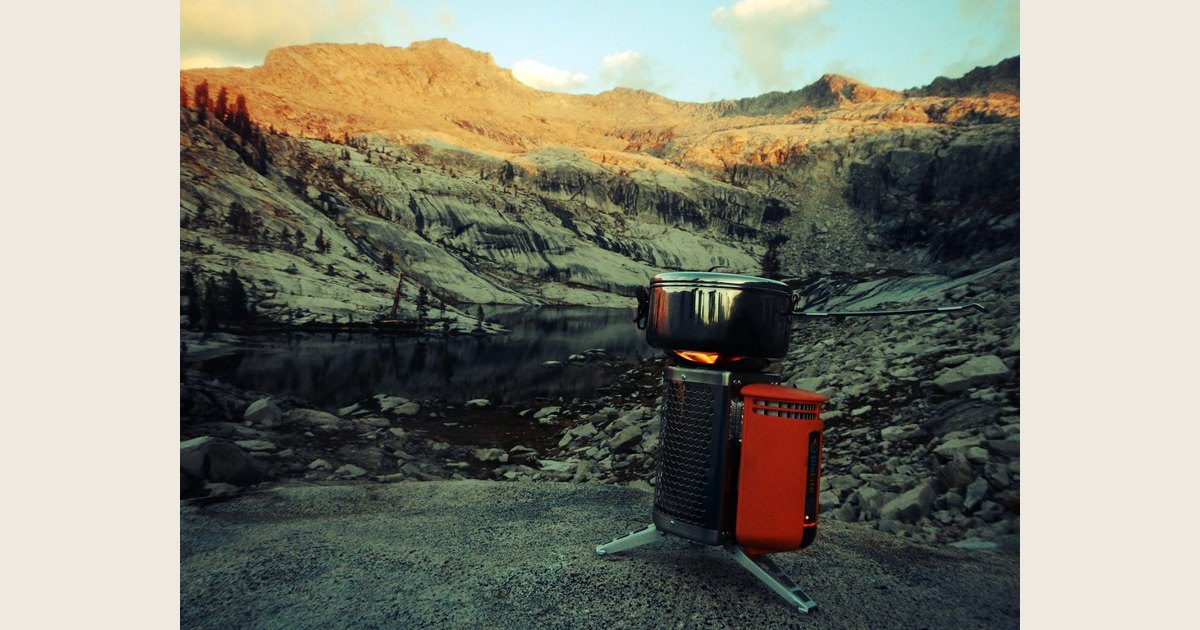
Featured image: A BioLite cookstove at an alpine campsite, photographed in “Dinnertime with my BioLite cookstove; Pear Lake, Sequoia National Park” by oliveoligarchy on Flickr, licensed under CC BY 2.0. Illustrative stock photo of a different brand; no FOURFIY product testing is implied.
What can you verify about a FOURFIY camping stove?
Start with the model identifier, not the brand. A listing should show a model name or number that also appears on the stove label, manual, packaging, or manufacturer documentation. Without that match, you can’t confidently know whether the photos, specifications, replacement parts, and instructions refer to the same product.
The check covered public search results and the available source pages, not every retailer or marketplace listing. I could not independently verify an official FOURFIY manual or a model-specific manufacturer specification sheet. I’m therefore not assigning a score, claiming a price, naming a “best” FOURFIY model, or repeating unconfirmed seller claims as facts. If you find a listing, treat its details as claims to check against documentation—not as evidence that the stove has been independently tested.
Before paying, look for the following in writing:
| Check | What to confirm | Pause if… |
|---|---|---|
| Model identity | Exact model number on the listing and product label | Photos, title, and manual show different models |
| Fuel | Named fuel and approved container or connection | It says only “gas,” or compatibility depends on an unexplained adapter |
| Package contents | Stove, regulator or hose if required, carrying case, and any specified accessories | Essential parts are absent or not clearly included |
| Size and weight | Packed dimensions and total weight, including required fuel hardware | Measurements exclude the hose, base, or other necessary pieces |
| Cooking fit | Pot-support dimensions and any cookware limits | The listing shows a pot but doesn’t state what the supports hold |
| Support | Manual, warranty provider, return period, and seller contact | No route to get instructions, parts, or help after purchase |
A polished photo can show what a product resembles, but it cannot establish fuel compatibility, flame control, stability, durability, or how it performs in wind. Even the word “portable” can refer to a stove with a different power source, so check the model label and instructions rather than infer details from a headline.
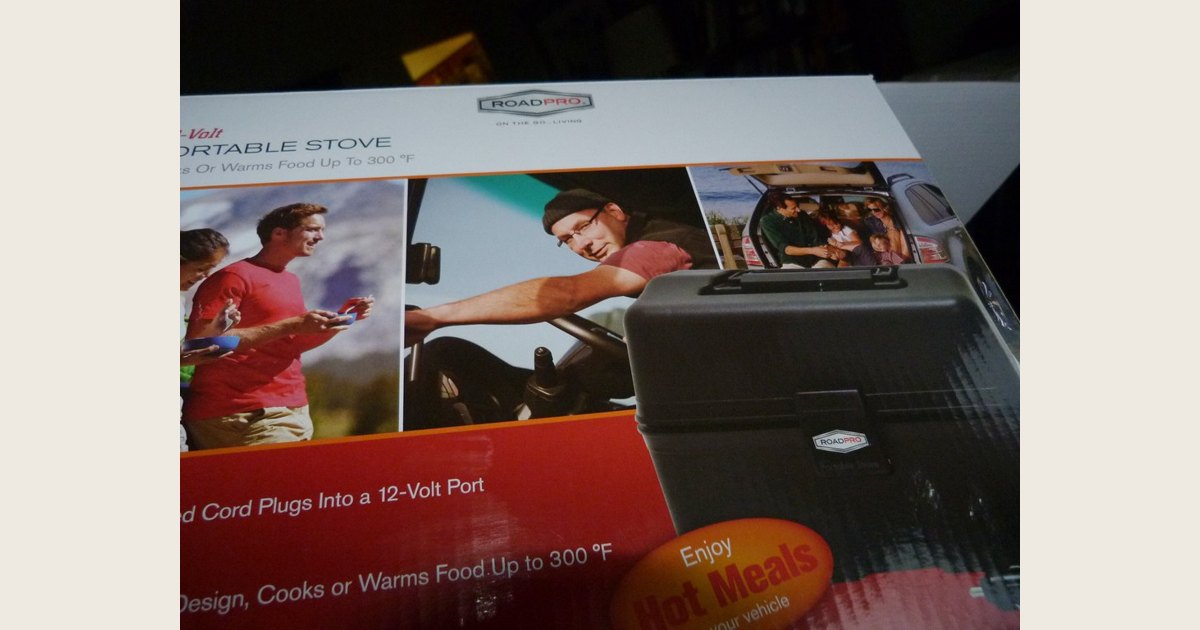
Illustrative stock photo titled “Camping Stove” by Rusty Clark ~ 100K Photos on Flickr, licensed under CC BY 2.0. The image shows different-product packaging; its claims do not describe a FOURFIY model and are not independently verified. Resized and padded.
Ask the seller for a manual or a clear photo of the model label if those details aren’t available. If they can’t provide either, you may not have enough information to make a safe, informed comparison.
Which stove type fits your trip?
Think about where you’ll cook, how many people you’ll feed, and how much prep you want to do—not just the burner’s advertised power. For a short hike with simple hot drinks or meals, small packed size may matter most. At a drive-in site, a broader cooking surface and easier simmer control could be more useful. These are trip-planning priorities, not performance claims about FOURFIY.
The useful comparison is not “cheap versus expensive”; it’s whether the documented stove design matches the way you travel and cook. The table below describes broad tradeoffs among common designs, not verified features of any FOURFIY product. Stove designs and fuel requirements vary by model. For instance, manufacturer MSR describes its canister, remote-canister, and liquid-fuel products as different setups; its advice about wind protection and cookware compatibility is model-specific, not evidence about FOURFIY (MSR’s canister-stove guide, September 10, 2025). Its warning not to put a windscreen around a pressurized canister is a useful reason not to improvise accessories across models.
| General design | What to check for your trip | Main tradeoff to consider |
|---|---|---|
| Upright canister stove | Exact canister connection, pot-support width, packed dimensions, and model instructions | A compact setup may be convenient, but the burner, fuel container, and pot placement must work together as designed |
| Remote-canister stove | Hose and regulator details, support base, and manufacturer’s rules for windscreens and cookware | A separate burner and fuel container can change stability and setup; don’t add a windscreen unless the manual allows it |
| Liquid-fuel stove | Approved fuel, priming and maintenance instructions, and where fuel can be obtained for your route | It may require a different setup and care routine from a canister model; confirm you’re comfortable with both |
Do not use the table to guess the FOURFIY model’s design. Ask which category it belongs to, then compare the fuel name and setup instructions against the original manual. A seller calling a product “multi-fuel” is not enough: get the exact approved fuels and any model-specific changeover steps in writing.
If you’re still deciding whether to carry a stove at all, start with how to decide if you need a camping stove. For a propane model, our guide to propane camping stoves and canister planning covers a different fuel category. Neither article verifies a FOURFIY model.
Check cooking capacity, cookware, and packed fit
A stove’s advertised burner output is only one comparison point. First decide what you’ll cook: boiling water for simple meals, simmering food in a pot, or preparing meals for more than one person. Then check whether the manual supports the pot size and cooking method you plan to use. Burner rating alone does not tell you whether cookware will sit securely or whether the stove is a sensible match for your meals.
Before ordering, compare the measurements in the manual with the cookware you already own. Look for the stated pot-support span, any maximum cookware diameter or weight, the stove’s footprint, and the packed dimensions. If the product page offers only a close-up photo, ask for a dimensioned diagram. Don’t assume a large pan is safe simply because it appears in a promotional image.
Pack weight also needs context. Compare the complete stove setup, not a headline number that may exclude a fuel canister, case, hose, or other required part. Fuel itself is a separate trip-planning item. If you are weighing advertised burner ratings, our guide to camping-stove BTUs explains what that number can and cannot tell you; it is not a test of FOURFIY equipment.
Verify fuel, setup, and safety instructions
Fuel compatibility is a must-confirm detail, not a place to experiment. Match the exact fuel named in the stove manual to the approved container and connection for that model. Don’t substitute a canister, use an adapter, or combine parts based only on a retailer photo or a claim that the setup is “universal.” A different stove category may require different setup steps; use only the instructions for the model you have.
For a conservative safety baseline, use fuel-burning stoves outdoors only—not inside a tent, camper, vehicle, or other enclosed space. This is Pack and Pocket’s general precaution, not a FOURFIY-specific instruction. EPA identifies gas stoves as a carbon monoxide (CO) source and says CO is odorless, colorless, toxic, and can kill before you notice it (EPA, “Carbon Monoxide’s Impact on Indoor Air Quality,” updated July 15, 2026). The EPA page’s explicit portable-equipment warning names generators, not camp stoves, so it does not verify this stove’s instructions. Because the FOURFIY model and manual remain unidentified, obtain its correct manual before operation; follow it for fuel, setup, clearances, and operating conditions.
Follow the manual’s clearances and lighting instructions. Keep flames and hot cookware away from people, tent fabric, dry vegetation, and other items that can ignite. If instructions are missing, unreadable, or don’t match the model, ask the seller or manufacturer for the correct manual; don’t guess about lighting, shutdown, or wind protection.
Fire rules depend on where you camp and can change with conditions. Check the campground or land manager’s current restrictions before your trip, and follow any posted limits even if your stove is otherwise functioning normally. A product listing cannot tell you whether stove use is allowed at a particular campsite.
Ask these questions before placing an order
Send the seller a short, specific request rather than asking whether the stove is “good.” Ask for:
- The exact model number and a photo of the label on the product you will receive.
- The original manual, including the fuel, connector, lighting, shutdown, and cleaning instructions.
- Packed dimensions and complete stove weight, with required attachments identified.
- Maximum cookware size or weight, if the manufacturer provides a limit.
- The warranty provider, warranty period, and process for replacement parts or service.
- The return deadline and any conditions that apply once the product has been opened or used.
Save the listing and seller’s answers. Check that all details agree before opening the package. On arrival, compare the model number and included parts with the documentation. If the model doesn’t match, parts are missing, or the instructions conflict, don’t try to test-fire it to resolve the discrepancy; contact the seller and follow the return process.
This step is especially useful when buying from a marketplace where the storefront, fulfillment provider, manufacturer, and warranty contact may be different organizations. The seller’s return policy and the manufacturer’s warranty are separate things, so read both rather than assuming one guarantees the other.
Is a FOURFIY camping stove worth buying?
It may be worth considering if you can confirm an exact model, obtain instructions that match it, verify the approved fuel and cookware limits, and accept the seller’s return and warranty terms. I can’t responsibly say that a particular FOURFIY stove is reliable, lightweight, powerful, or good value without verifiable model details and real product testing.
If a listing omits the manual or fuel type, or the seller cannot identify the model, choose a stove with documentation you can check before use. If the details are clear, compare the full setup against your trip needs and other documented options—not a brand name or unsupported rating. For more help choosing whether a stove belongs in your kit, see our camping-stove decision guide.
Image note: The featured BioLite cookstove photograph and the RoadPro packaging photograph are illustrative images of products other than FOURFIY. Neither depicts a verified FOURFIY model or represents Pack and Pocket testing.