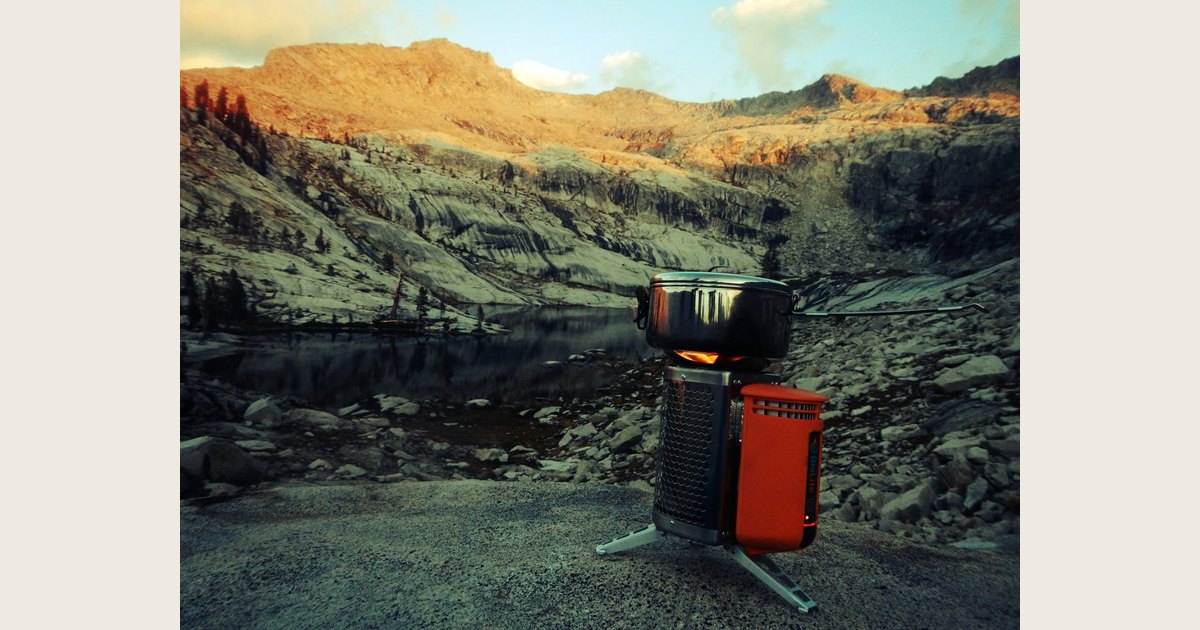
You don’t need a camping stove for every trip. Leave it home when your meals are ready to eat, you have a confirmed alternative for anything that needs heating, and you’re comfortable without hot food or drinks. Bring one when your menu depends on boiling water or cooking, your campsite has no suitable alternative, or your group needs the flexibility of a hot meal. Before deciding, check the rules for your exact destination: a stove and a campfire may be treated differently.
Key Takeaways
- Decide from your menu and confirmed cooking options—not from habit or trip length alone.
- No-cook meals work best when they suit the trip and you have a plan for any food that needs cold storage.
- Check current site rules and fire restrictions; don’t assume a campfire, grill, or stove is automatically permitted.
- If you leave the stove behind, pack a backup meal that doesn’t depend on cooking.
A quick decision guide
| Your trip | Leave the stove home if… | Pack one if… |
|---|---|---|
| Day hike | Your food and drinks need no heating. | You have a specific reason to make a hot drink or meal and can use a stove where permitted. |
| Campground stay | You’ve confirmed another suitable cooking option, or your menu is ready to eat. | The site offers no option you plan to use and you want cooked food or hot drinks. |
| Backpacking trip | Everyone is happy with the no-cook menu and it fits your food and water plan. | Your meals depend on hot water, or the group wants a hot meal at camp. |
| Group outing | Someone has coordinated meals and any shared cooking equipment. | The group needs a stove and no one else is bringing an appropriate one. |
These are decision prompts, not rules about what every camper needs. A short trip can still call for a stove if a hot drink is important to you; a longer trip can be stove-free if your food plan, storage, and group preferences support it. The key is to settle the menu and cooking method before you pack.
When can you leave the stove at home?
Skip the stove when you can cover every meal and drink without cooking and won’t rely on unconfirmed campground amenities. That often suits a day hike, a quick overnight, or a vehicle-based stay where you’ve checked what the site actually provides.
A no-cook menu can use ready-to-eat foods, but check the package’s storage directions instead of assuming that a sealed or dry food can stay warm. FDA guidance says to keep foods that require refrigeration at or below 40°F and not leave them at room temperature for more than two hours—or one hour when the air is above 90°F (FDA, “Are You Storing Food Safely?”). If your trip can’t keep a food cold within its label instructions, choose a different option. Mountain House says to treat leftovers from its hydrated meals like fresh food, so don’t assume rehydration makes leftovers shelf-stable (Mountain House FAQ). If a meal depends on a cooler, grill, shared kitchen, or another camper’s stove, confirm that option is available and permitted rather than treating it as a given.
Cold-water rehydration is an option only when the food’s maker says it is. For example, Mountain House says its freeze-dried meals are pre-cooked, normally use the amount of boiling water specified on each package, and can be rehydrated with cold water in a pinch—allow about twice as long (Mountain House FAQ). That guidance applies to those pre-cooked meals, not all dried foods or uncooked ingredients. If another food’s package calls for cooking, cold water is not a substitute; follow that package’s directions. Use water that is safe to drink. If drawing from a backcountry source, follow the local land manager’s treatment advice; Yellowstone National Park, for example, tells visitors to treat or filter all backcountry water sources (NPS, Yellowstone Backcountry Camping). Cold-water rehydration still takes time and requires a container, so test the exact food and method before relying on it for a trip.
A stove-free plan also makes sense when you simply don’t value hot meals enough to carry the equipment. There’s no universal number of nights that determines whether a stove is necessary. Your menu, food storage, available facilities, water plan, and personal preference matter more than the calendar.
When is bringing a stove worth it?
Pack a stove when cooking is part of the trip rather than a just-in-case idea. If your planned meals need hot water or heat, there’s no confirmed alternative, and you’re willing to carry and use the equipment, a stove can make the menu practical. The same goes for a group that has agreed to share a cooking setup: decide who brings it and what meals it must support before leaving.
A stove may also be worth the space if a hot drink or meal is an important comfort for you. That’s a personal preference, not a requirement. On the other hand, a stove is more than the burner: account for its fuel, ignition method, cookware if needed, and a place where use is allowed. Check the specific stove instructions, and keep a no-cook backup in case your planned setup can’t be used. If you decide to bring one, our propane camping stove guide covers fuel and cold-weather planning.
For meal inspiration once you’ve settled on cooking, see our guide to what to cook on a camping stove.
Don’t treat a stove as permission to build a fire. Leave No Trace recommends a lightweight stove for cooking as an alternative to campfires, which can leave lasting impacts (Leave No Trace, “Minimize Campfire Impacts”). The local land manager’s current rules still decide what’s allowed at your site.
Which alternatives can replace a stove?
The best substitute depends on what you want to eat and what the campsite actually offers. Use this comparison to spot gaps in your plan—not to assume that any particular facility will be available.
| Option | Works well when | Main trade-off |
|---|---|---|
| Ready-to-eat food | You’re content with meals that need no heating and the package permits your planned storage. | You need to plan the menu and carry food you’ll want to eat; some foods need cold storage. |
| Cold-water rehydrated meal | The food maker’s directions allow cold-water preparation, and you can allow for the longer prep time. | Not every food is suitable; it takes planning, safe water, and a container. |
| Confirmed campground facility | The site has the specific grill, kitchen, or other setup you intend to use, and rules permit it. | Availability, access, fuel, or rules may differ by site; verify before relying on it. |
| Shared group stove | A companion has agreed to bring and operate a suitable stove. | Coordinate meals, capacity, fuel, and a backup rather than assuming someone has it covered. |
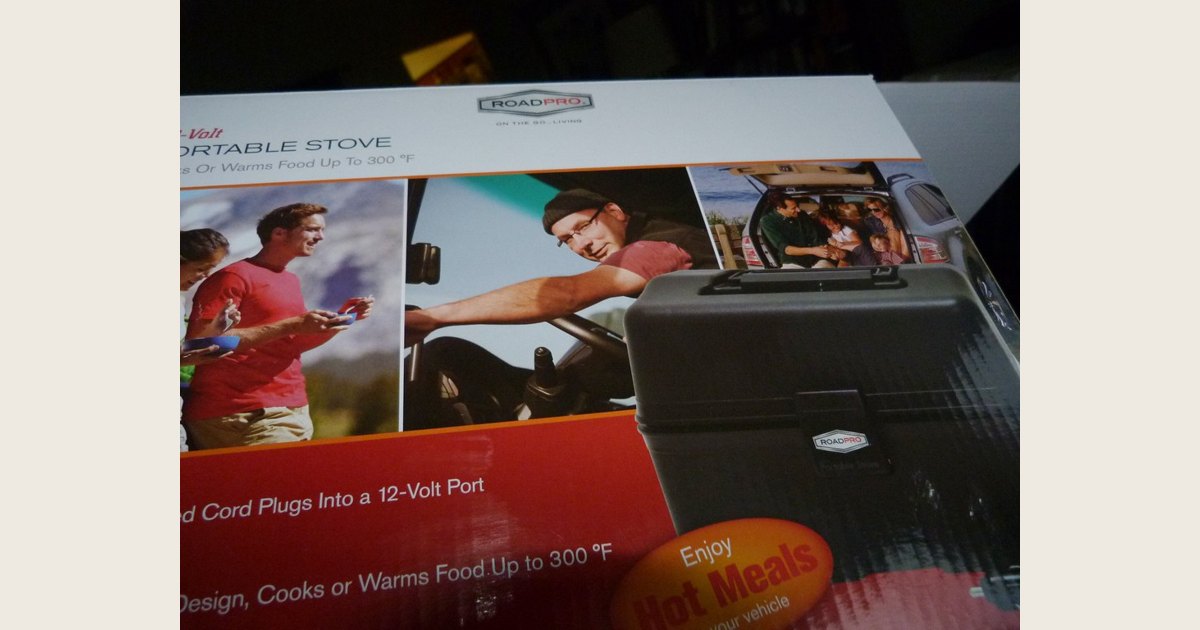
| Vehicle-powered warmer | You have a compatible, permitted power setup and a device whose instructions fit the plan. | It depends on the vehicle and device; it isn’t a general substitute for a backpacking stove. |
Check these things before you decide
Run through this short checklist before you leave:
- Write down the meals. Mark anything that needs heating, hot water, or special preparation. Decide whether you’ll replace it, prepare it with cold water only if its maker’s directions allow that, or cook it.
- Confirm the alternative. Check the campsite’s current facilities and reservation details. If you plan to use a shared stove, agree on who brings it and what the group will eat.
- Read the rules for your exact location and dates. Check the land manager’s current alerts and cooking restrictions. A past visit or a nearby campground may not tell you what applies now.
- Make a food-storage plan. A no-cook menu doesn’t remove the need to handle foods that require cold storage appropriately. Choose foods whose packaging allows your planned storage, or plan suitable cold storage for perishable items. FDA advises keeping refrigerated foods at or below 40°F, and limiting time at room temperature to two hours—or one hour above 90°F (FDA, “Are You Storing Food Safely?”). Remove any food from a trip plan if you cannot store it safely.
- Pack a fallback. Bring at least one meal you can eat without your planned heat source, in case a facility is closed or cooking isn’t allowed.
- Use a stove only where allowed and as directed. Don’t substitute fuel or setup. Follow the stove’s safety labels and use approved fuel containers, as Leave No Trace advises (Leave No Trace). Do not use a stove where its instructions or local rules prohibit it.
Rules can differ even within one park. For example, Yellowstone’s backcountry page says backpacking stoves are allowed at its campsites, while campfires are limited to designated rings at sites where fires are allowed; it also says fire restrictions may be in place (National Park Service, Yellowstone Backcountry Camping). That is Yellowstone-specific guidance, not a blanket rule for other parks or a guarantee that every stove is allowed during every restriction. Check the current notice for your destination and follow its exact terms.
Common questions
Can you camp without a stove?
Yes, if your meals and drinks don’t depend on cooking, and your food-storage and site-rule plans are in place. Confirm any campground facilities you expect to use and carry a backup meal that doesn’t require them.
Can I use a campfire instead of a camping stove?
Only if fires are allowed at your specific campsite and the current conditions permit one. A campfire is not an automatic substitute for a stove: Leave No Trace recommends a lightweight stove for cooking, and the National Park Service notes that campfires can be restricted to designated rings and sites. Check the rules before planning meals around a fire.
Are camping stoves allowed during a fire ban?
It depends on the exact restriction and location. Rules for open campfires and portable stoves may differ, and a stove should not be assumed permitted just because it is not a campfire. Read the current land-manager notice or contact the managing agency if its wording is unclear.
How many days can I go without a stove?
There’s no fixed cutoff. Decide based on whether your meals can be eaten without heat, whether any foods need cold storage, what facilities are confirmed, and whether you and your group are comfortable with the menu. Try the plan before a longer trip rather than discovering at camp that you don’t want to eat it.
The bottom line
You don’t need a camping stove if you’ve planned satisfying meals that need no cooking, confirmed any alternative you’ll rely on, and checked the rules for your destination. Bring one when your menu or group depends on hot food and there’s no suitable, permitted substitute. Either way, make the decision from a real meal plan, keep food storage in mind, and pack a backup that doesn’t depend on a burner or fire.
Featured image credit: “Dinnertime with my BioLite cookstove; Pear Lake, Sequoia National Park” by oliveoligarchy, CC BY 2.0. Resized and padded. Illustrative stock photo; no product testing is implied.