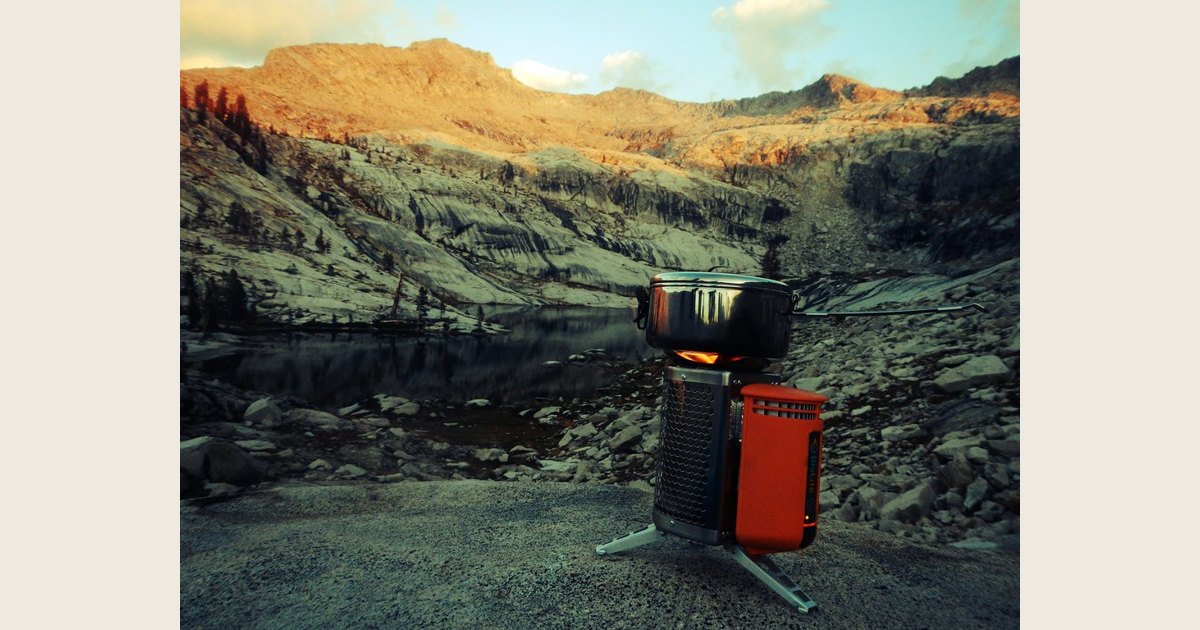
Hero image credit: Photo: Dinnertime with my BioLite cookstove; Pear Lake, Sequoia National Park by oliveoligarchy, Flickr; CC BY 2.0. Resized and padded. Illustrative stock photo; no product testing is implied.
What can I cook on a camping stove? Almost anything that can be boiled, simmered, sautéed, or warmed in one pot or skillet. Oatmeal, eggs, pasta, soup, rice and beans, ramen upgrades, quesadillas, and simple skillet dinners are all realistic choices. The best camping meals are not necessarily the most elaborate ones: they use a short ingredient list, one active cooking vessel, and a sequence that makes sense on the burner you have.
A little planning turns a compact stove from a water-boiling tool into a useful campsite kitchen. Match the meal to your cookware, fuel, cleanup capacity, and the rules where you are camping.
Key takeaways
- Start with meals that need one pot or one skillet, especially when cooking on a single burner.
- Use boiling-water meals for the lowest-effort breakfast or lunch; reserve browning and simmering for when you have time to tend the stove.
- Prep vegetables, spices, and add-ins at home so that the campsite job is mostly heating and assembling.
- Plan cold ingredients around safe storage, and separate raw ingredients from foods that are ready to eat.
- Check the current rules for your exact destination before using any stove or building any fire.
Choose meals by the heat they need
What can I cook on a camping stove?
A camping stove is most forgiving when the cooking method matches its strengths. Fast boiling is usually straightforward. Gentle simmering and pan cooking take more attention, because a small burner can concentrate heat under the center of a pot or skillet.
| Meal style | Good examples | Why it works at camp | Watch for |
|---|---|---|---|
| Boil and eat | Oatmeal, instant grits, ramen, couscous, dehydrated meals | One pot and little active cooking | Measure water before heating so you do not make extra dishes. |
| Simmered one-pot meal | Pasta with sauce, lentil soup, chili, rice and beans | Fewer pans and easy serving | Stir often enough to prevent sticking; add liquid gradually if needed. |
| Skillet meal | Eggs, hash, sautéed vegetables, quesadillas | Familiar texture and flexible leftovers | Use moderate heat and a pan that fits the burner securely. |
| Heat-and-assemble meal | Tortillas with warm beans, soup with bread, warmed pre-cooked grains | Fast after a long hike or late arrival | Keep perishable add-ins properly chilled. |
If you are new to camp cooking, start with a meal you could make at home using just one pot. The goal is not to recreate a full kitchen dinner; it is to make a satisfying meal with fewer moving parts.
Easy breakfasts for a camping stove
Breakfast is an ideal time for a stove because the ingredients and method can be simple. Choose one primary dish, then add shelf-stable toppings or a piece of fruit rather than trying to run several pans at once.
Oatmeal, grits, or a warm cereal bowl
Bring quick-cooking oats, grits, or another dry cereal in portioned bags. Heat the measured water, add the cereal, and finish with ingredients that travel well: nut butter, dried fruit, cinnamon, seeds, or a small packet of shelf-stable milk. This approach works well when you want minimal cleanup and a quick start.
Eggs with a simple side
A skillet of scrambled eggs, an omelet, or eggs folded into a tortilla can be a good choice when you can store eggs and other perishables safely. Keep the rest of the meal simple: pre-chopped vegetables, shredded cheese, a tortilla, or leftover cooked potatoes are enough to make it feel complete. Prepare the additions first, then heat the pan, so the eggs are not waiting while you chop.
Breakfast hash without a second burner
Cook pre-cooked potatoes or other sturdy vegetables in a skillet first. Move the finished hash to a covered bowl or wrap it in a tortilla, then cook eggs in the same pan if you want them. Cooking components in sequence is easier than trying to keep everything hot at once on one burner.
One-pot dinners that travel well
One-pot dinners are the core of practical camping-stove cooking. They limit cleanup, make serving easy, and let you build a meal around a base you already know how to cook.
Pasta, sauce, and vegetables
Use a short pasta shape that fits comfortably in your pot. Cook it in the usual way, reserving a little cooking water before draining if you want to loosen a jarred sauce. Return the pasta to the pot with sauce, shelf-stable protein or pre-cooked meat that has been stored safely, and quick-cooking vegetables such as spinach or pre-cut zucchini.
Rice and beans with flexible toppings
Instant rice, canned beans, salsa, seasoning, and tortillas make a sturdy camp dinner. Warm the beans with seasoning first, then add cooked rice or make the rice separately if its package directions call for it. Finish with toppings that fit your storage plan, such as avocado, cheese, hot sauce, or crushed tortilla chips.
Soup, chili, and stew shortcuts
Canned soup, canned chili, dried soup mixes, and dehydrated ingredients are useful campsite foundations. Make them more filling with instant mashed potatoes, couscous, canned beans, shelf-stable chicken, or a handful of quick-cooking noodles. Add ingredients in the order they need heat, not all at once. A dry mix may need time to absorb water, while a canned ingredient may only need warming.
Ramen as a real meal
Ramen is more versatile than a plain noodle bowl. Use less of the seasoning packet if you prefer, then add peanut butter, chili crisp, canned fish, tofu that has been kept cold, a soft-cooked egg, or vegetables that wilt quickly. The important technique is to make the add-ins fit the pot instead of creating a separate pan for each one.
Make skillet meals easier to manage
A skillet gives you browned edges and crisp tortillas, but it also asks more of your attention. On a small stove, begin below the heat you would use on a full-size range. Let the pan warm, add oil or another appropriate cooking fat, and adjust only after you see how the food responds.
Try these low-fuss formats:
- Vegetable quesadillas: Warm one side, add filling, fold, then turn once the tortilla is crisp enough to hold together.
- Sausage-and-vegetable skillet: Use a fully cooked sausage or another ready-to-heat protein, then add pre-cut vegetables and serve over a ready-to-eat grain or in a tortilla.
- Fried rice shortcut: Start with cooked rice that has been safely stored, then add vegetables, seasoning, and egg or another protein in stages.
- Grilled-cheese-style sandwiches: Cook over lower heat with a lid or another pan held above the sandwich briefly to help the filling warm before the bread gets too dark.
Use a single burner like a short cooking line
With one burner, the order of operations matters more than the recipe. Before lighting the stove, set out the pot, utensils, seasonings, serving bowls, and every ingredient you will need. Open cans and packages in advance when practical. This keeps you from leaving a hot pan unattended while you search through a tote.
Then organize the meal in three phases:
- Do the longest cooking first. Boil pasta, hydrate a dried meal, or warm a pot of beans before the quick finishing tasks.
- Hold finished food without direct heat. A lid, a bowl, or a wrapped tortilla can keep a component together while you use the burner for the next step. Do not expect it to stay hot indefinitely; serve promptly.
- Finish the quick item last. Eggs, tortillas, delicate vegetables, and sauce usually belong at the end because they take little time and are best fresh from the pan.
This approach also helps with fuel planning. A meal that needs one sustained pot of heat generally uses less stove time than three separate side dishes. If your plans call for long simmering, bring enough fuel as directed by your stove manufacturer and have an easier backup meal available.
Prep at home, not on the picnic table
The most useful camp-cooking upgrade is not a specialty recipe; it is reducing the number of campsite decisions. At home, wash and cut vegetables, combine dry seasonings, portion snacks, and label meal bags. Carry a small trash bag and keep a dedicated bag or container for utensils that need washing.
Handle food and cleanup deliberately
Your menu should match your ability to keep ingredients cold and to clean up after cooking. The FDA advises keeping refrigerated food at or below 40°F, and it says food that needs refrigeration should not remain at room temperature for more than two hours—one hour when the air temperature is above 90°F. That includes perishable ingredients and cooked leftovers. FDA food-storage guidance
For a short trip, that often means planning the most perishable meal for the first day, keeping raw items sealed away from ready-to-eat food, and using shelf-stable or dehydrated ingredients later in the trip. Wash hands and food-contact surfaces with the supplies and water appropriate to your campsite, and cook foods according to their package directions and safe-handling guidance.
For cleanup, scrape pots and dishes well before washing. Use only as much wash water as you can manage, keep food scraps contained, and follow the destination’s rules for wastewater and trash. A simple one-pot meal is easier to clean when you avoid burning food onto the bottom in the first place.
Check stove and fire rules at the destination
Do not assume that a stove is treated the same way as a campfire, or that one park’s policy applies everywhere. Rules can change with the season, elevation, local conditions, and the type of fuel or stove.
For example, Yosemite National Park distinguishes portable stoves using pressurized gas, liquid fuel, propane, or alcohol from wood and charcoal fires in its fire restrictions. Its rules also require fires to be attended and completely extinguished. That is a useful reminder to read the current rules for the exact park, forest, campground, or other land manager you will visit—not a substitute for them. Yosemite National Park fire restrictions
Set up only where your stove’s instructions and the site’s rules allow, use cookware that sits securely, and keep the cooking area organized. If a restriction or a site condition makes cooking uncertain, choose a no-cook meal rather than trying to improvise around the rule.
A simple first-night camping-stove plan
For a first night when you may arrive tired, pack one dinner that needs a pot and one no-cook backup. For example, make instant rice and seasoned beans with tortillas, then carry fruit, nuts, and shelf-stable snacks in case setup takes longer than expected. The next morning, make oatmeal with dried fruit and nut butter. That plan gives you warm meals without requiring a complex grocery list, multiple pans, or a long cleaning session.
As you get comfortable, add one new technique at a time: a skillet quesadilla, a vegetable-and-egg breakfast, or a pasta dinner. A camping stove can support much more than hot drinks when the meal, prep, and site conditions work together.