To find camping stoves nearby, start with outdoor and sporting-goods stores, then check larger retailers and hardware stores for the type you need. Search the retailer’s site with your ZIP code, confirm the exact model is available for pickup at that specific location, and call before driving if the trip matters. A store showing a similar stove—or even the same brand—isn’t confirmation that the model, fuel, or accessories you want are in stock.
The quickest reliable purchase is the one where the stove matches your trip, the package includes what you expect, and the seller confirms availability and return terms. Use the checklist below to compare options without relying on generic “camp stove” listings or assuming every fuel connection fits every stove.
Key Takeaways
- Search by stove style or exact model, then select a nearby store to view location-specific pickup options.
- Call to confirm the exact model, package contents, and whether the item is held for pickup before traveling.
- Match the stove to its approved fuel and required accessories using that model’s label and manufacturer instructions.
- Ask about the return policy, especially for opened, used, or fuel-connected equipment.
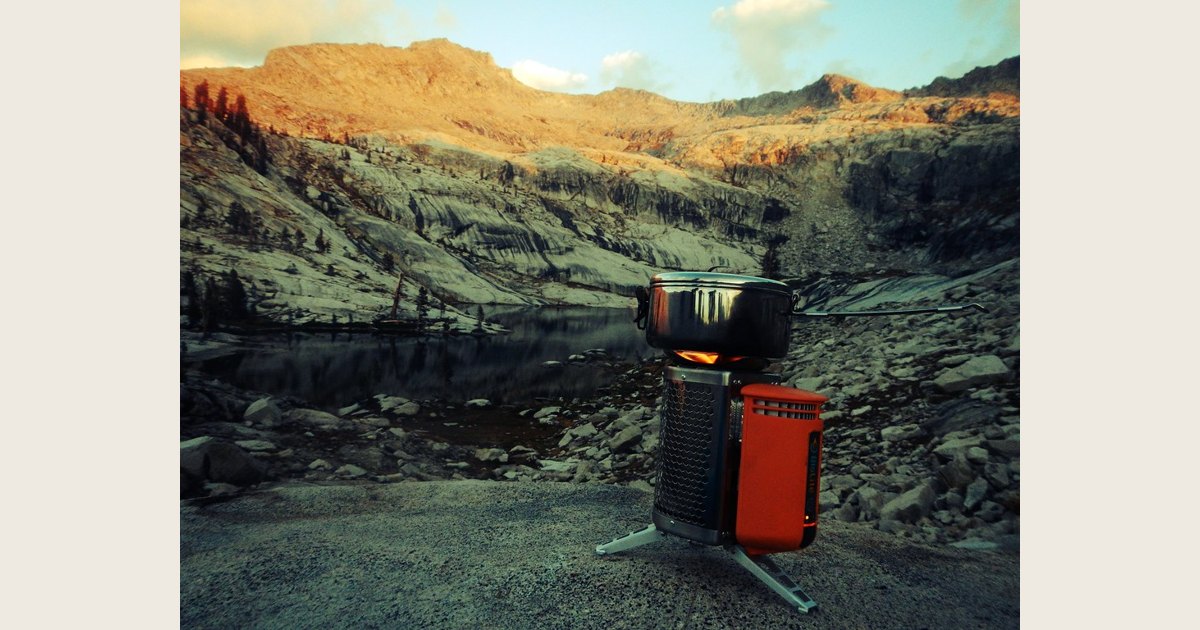
Featured image: “Dinnertime with my BioLite cookstove; Pear Lake, Sequoia National Park” by oliveoligarchy, used under CC BY 2.0; resized and padded. Illustrative stock photo; no product testing is implied.
Where to look for camping stoves nearby
Start with an outdoor or sporting-goods retailer’s official site, then broaden your search if the right model does not appear. Treat retailer type as a search route, not evidence that a particular branch carries a stove. An online category page can help you identify products, but it does not confirm local stock.
A useful category example is MSR’s own stove navigation, which separates stove systems, liquid-fuel stoves, canister stoves, stove kits, and accessories (MSR stove and cooking resources). That is a manufacturer’s product taxonomy, not a local inventory listing. Use a category to narrow the kind of product, then search a retailer for the exact model or item number. For example, if you’re packing a small burner for a backpacking trip, search that stove style rather than stopping at the broad phrase “camp stove.”
On the retailer’s site, select the actual store or enter your ZIP code before interpreting an availability message. Check whether the selected location offers pickup, whether the listing instead says shipping or delivery, and whether pickup requires an order. A general product page is not proof that a unit is on a nearby shelf or reserved for you. If the site’s wording is unclear, call the specific branch and ask staff to check the model number and quantity.
Step 1: Decide what kind of stove fits your trip
Before searching, narrow down how you’ll cook and carry the stove. A two-burner camp stove can suit a vehicle-based trip with a larger cooking setup, while a compact backpacking burner is designed around a smaller packed kit. Stove systems, liquid-fuel models, and electric warming appliances have different setups and requirements. These are broad categories, not guarantees about a particular model’s size, performance, or fuel.
Ask yourself:
- Are you driving to a campsite or carrying the stove in a pack?
- Do you need one burner, two burners, or a pot-and-burner system?
- What cookware will you use, and how much room can the stove take up?
- Which fuel can you reliably obtain for this trip?
- Do you need a basic burner, or a particular feature such as a built-in ignition?
If you’re unsure whether a stove is necessary for your trip, see our guide on deciding whether you need a camping stove. For car camping, compare the burner layout and cooking needs with our overview of camping-stove BTU ratings; a rating alone does not tell you whether a stove fits your cookware or trip.
Step 2: Check local availability before leaving
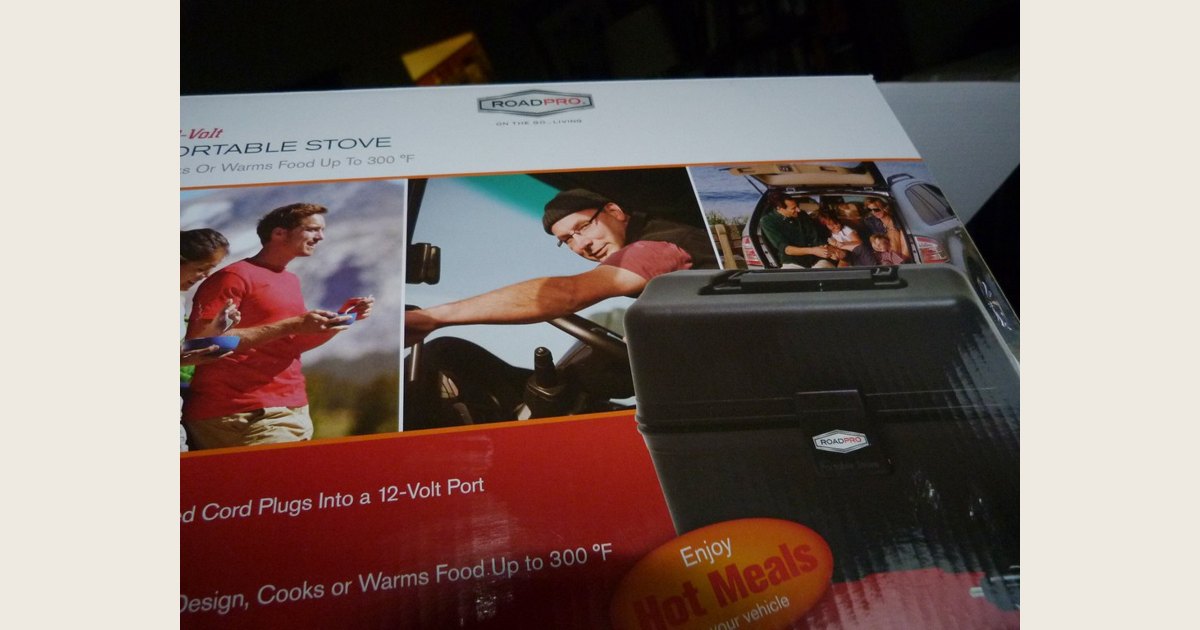
On the retailer’s location-specific listing, choose the actual store or enter your ZIP code. Look for a pickup option and estimated ready time; distinguish that from delivery or shipping, and check whether pickup requires an order. If inventory timing matters, call the branch or place a pickup order before setting out. Confirm the exact model and quantity, whether the unit is boxed or a display, and the pickup window. A product page or search snippet is not a reservation, and stock can change; rely on the retailer’s order confirmation for pickup conditions.
Step 3: Compare the exact model, fuel, and package
A brand name or broad category does not establish fuel compatibility. Before paying, match the box’s model number to the manufacturer’s product page or manual and check the approved fuel, connector, and any model-specific requirements. MSR’s site separates canister stoves, liquid-fuel stoves, systems, kits, and accessories; that taxonomy is a reminder to check the individual model, not proof that parts interchange.
Read the package list rather than inferring what is included from a photo or display. A fuel container, pot, windscreen, case, hose, regulator, or ignition component may or may not be part of a particular kit; the box and model documentation are the evidence for that item. Compare dimensions, weight, burner layout, and cookware fit against your trip. For a model-specific example of what to inspect, see our FOURFIY camping stove guide.
If the listing, label, and instructions disagree—or a required part is missing—pause and ask the retailer or manufacturer to identify the correct item. Don’t improvise a fuel connection or substitute fuel based on appearance.
Step 4: Ask about returns and make a safe plan
Before checkout, ask whether the return window or condition rules change after opening or testing the stove. Policies differ by seller and product, so check the terms for the exact purchase rather than assuming camping equipment has a standard return period. Save the receipt and keep packaging and included parts until you’ve checked them against the manual.
Use a fuel-burning camp stove only outdoors in a suitable open-air cooking area, following its manual; never use it in a tent, vehicle, or other enclosed space, and do not treat an open door or ventilation as a workaround. The CPSC states that burning fuel produces carbon monoxide and warns against operating an unvented gas-burning appliance in a closed room or sleeping room (CPSC, “Carbon Monoxide (CO) ‘Invisible’ Killer”). That document discusses household CO hazards and does not provide a camp-stove-specific manual, so the particular stove’s instructions remain essential. If traveling by air, check current airline and federal hazardous-materials rules before packing a stove or fuel; this guide does not determine what a carrier will accept.
If you can’t find the stove locally
If nearby stores don’t have the right model, widen your search before compromising on fuel compatibility. Check another location, ask a specialty retailer about ordering the exact model, or compare a retailer’s ship-to-store option with home delivery. Confirm the final product number and arrival date, and make sure the fuel and accessories will also be available before your trip.
If a store offers a substitute, compare the manual and specifications—not just the price or the number of burners. A different model may need a different fuel, connection, cookware size, or setup. If it doesn’t meet your needs, waiting for the correct stove is better than improvising a fuel connection or buying equipment you can’t safely use.
A quick in-store checklist
Before you leave with a stove, make sure you can answer “yes” to these questions:
- Is this the exact model I searched for, or a substitute I’ve checked carefully?
- Do I know which fuel it takes and where I’ll get that fuel?
- Have I confirmed which accessories are included and which are sold separately?
- Does the cookware and stove size fit the way I plan to camp?
- Do I understand the manual’s setup, use, and safety limits?
- Do I know the seller’s return conditions and have the receipt?
The shortest safe route is to identify the stove style, verify a branch-level pickup option, and check the model’s own instructions and package contents before paying. For propane choices, see our guide to propane camping stoves and fuel planning; for meal ideas after you’ve picked a setup, browse what to cook on a camping stove.